BEMM129 – A Reflection
BEMM129 Digital Business Models has opened my eyes to the benefits and downsides of the digital world, and I am excited to see how this world develops. As I fall under the ‘early majority’ category for adopting new technologies, I think it is important to welcome and embrace changes in technology (Rogers, 1962). A highlight for me was discovering digital business models from different countries and how they have been successful, such as Lime, from Daniel’s blog, who have successfully capitalised from the sharing economy. Other highlights are shown below.
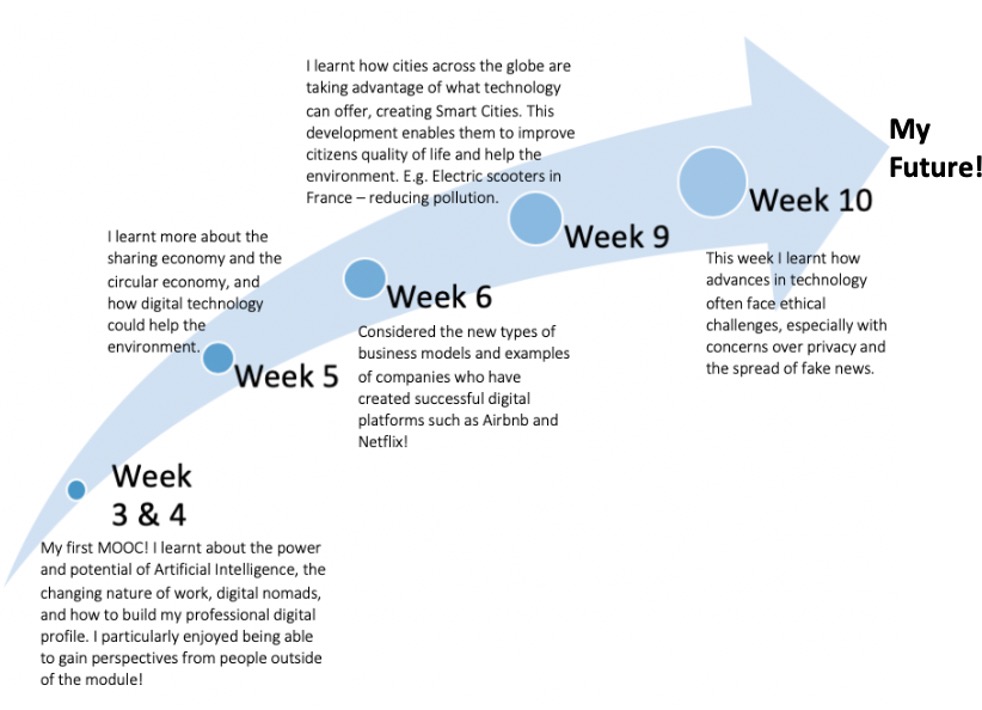
How the Digital World is Changing the Nature of Work
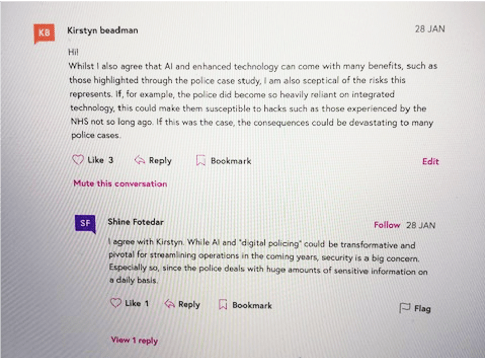
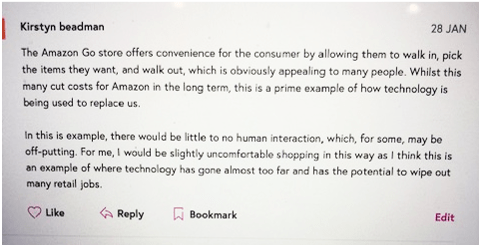
This was the topic of our first blogpost, how job roles are being changed by advances in digital technology. I found this topic to be the most thought-provoking as I found it the most applicable to my future career choice. From Steven’s blog I learnt how healthcare is becoming increasingly powered by AI and apps such as Babylon Health. Therefore, making seeing a doctor more accessible, but presenting challenges for those who do not possess a smartphone. Despite the fact that I am eager to embrace changes in technology, the MOOC caused me to reflect on both the benefits and the drawbacks of technology. For example, the case of the Amazon Go store enhances convenience for the consumer, however, if this format became common place, many retail jobs could be lost. Previously, I assumed AI would bring copious benefits and make jobs easier, such as with the case of the iPolice. Yet, these cases have made me realise the ethical implications of technology, such as privacy concerns, and that jobs could be impacted due to these advances. This prompted my first blogpost about Black Cab drivers and Uber, who have exploited the sharing and gig economies (Cramer & Krueger, 2016).
The most informative blog, for me, was Vicky’s as I learnt about impact of technology on the Accounting profession, which is my future career. This opened my eyes to how the role is changing to a more advisory function due to the fact that accountants are the second highest at-risk role from advances in technology (Nagarajah, 2016). Consequently, this enabled me to reflect on how my role as an accountant may be different to how we traditionally view accountants, and what I can do to prepare for this change.
What Will I Take Forward?
BEMM129 has allowed me to experience learning in a different format, preparing me for the future way of working. It has also made me realise the importance of using blogs and LinkedIn to enhance my knowledge and express my interests, whilst expanding my network.
References
Cramer, J., & Krueger, A. (2016). Disruptive Chnage in the Taxi Business: The Case of Uber. National Bureau of Economic Research.
Nagarajah, E. (2016, July). Hi, Robot: what does automation mean for the accounting profession? Retrieved February 2020, from PWC: https://www.pwc.com/my/en/assets/press/1608-accountants-today-automation-impact-on-accounting-profession.pdf
Rogers, E. (1962). Diffusion of Innovations. New York: Free Press.
Comments

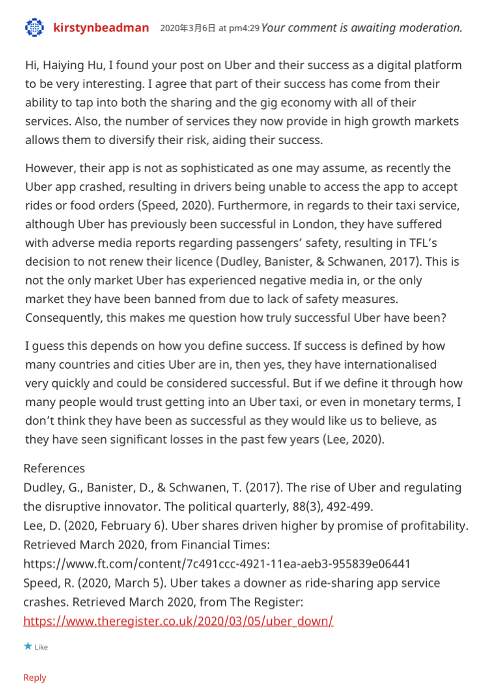
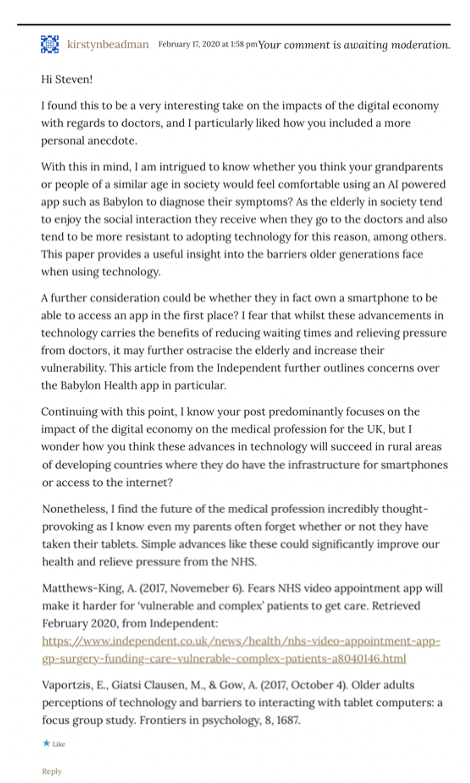
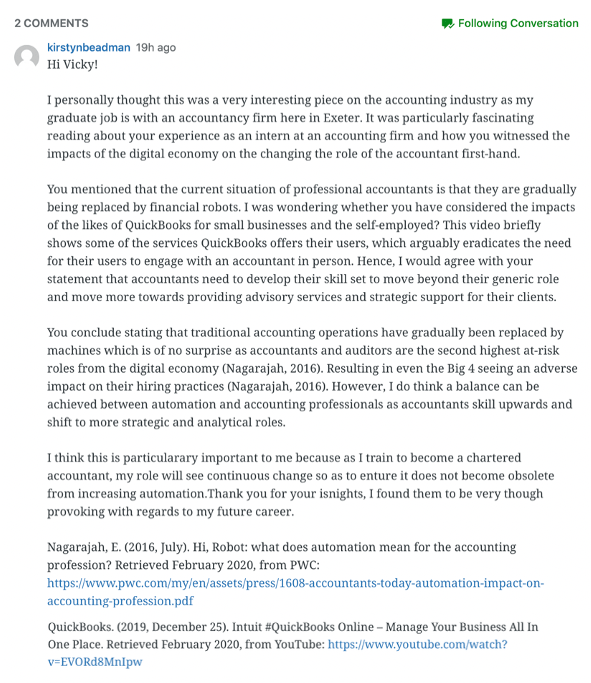
Comment Links
1. Steven – Doctors in the Digital Economy
2. Vicky – Changes and Developments of the Accounting Industry in the Digital Economy
3. Daniel – Lime: Micro-mobility alternatives disrupting traditional mobility ownership
https://danielbuhlerdigitalblog.weebly.com
4. Haiying Hu – Uber: The Success Story
 Kirstyn's Blog